Llama Dynamics: The Growing Pains of Creating a New Herd
Published 10 AUG, 2026
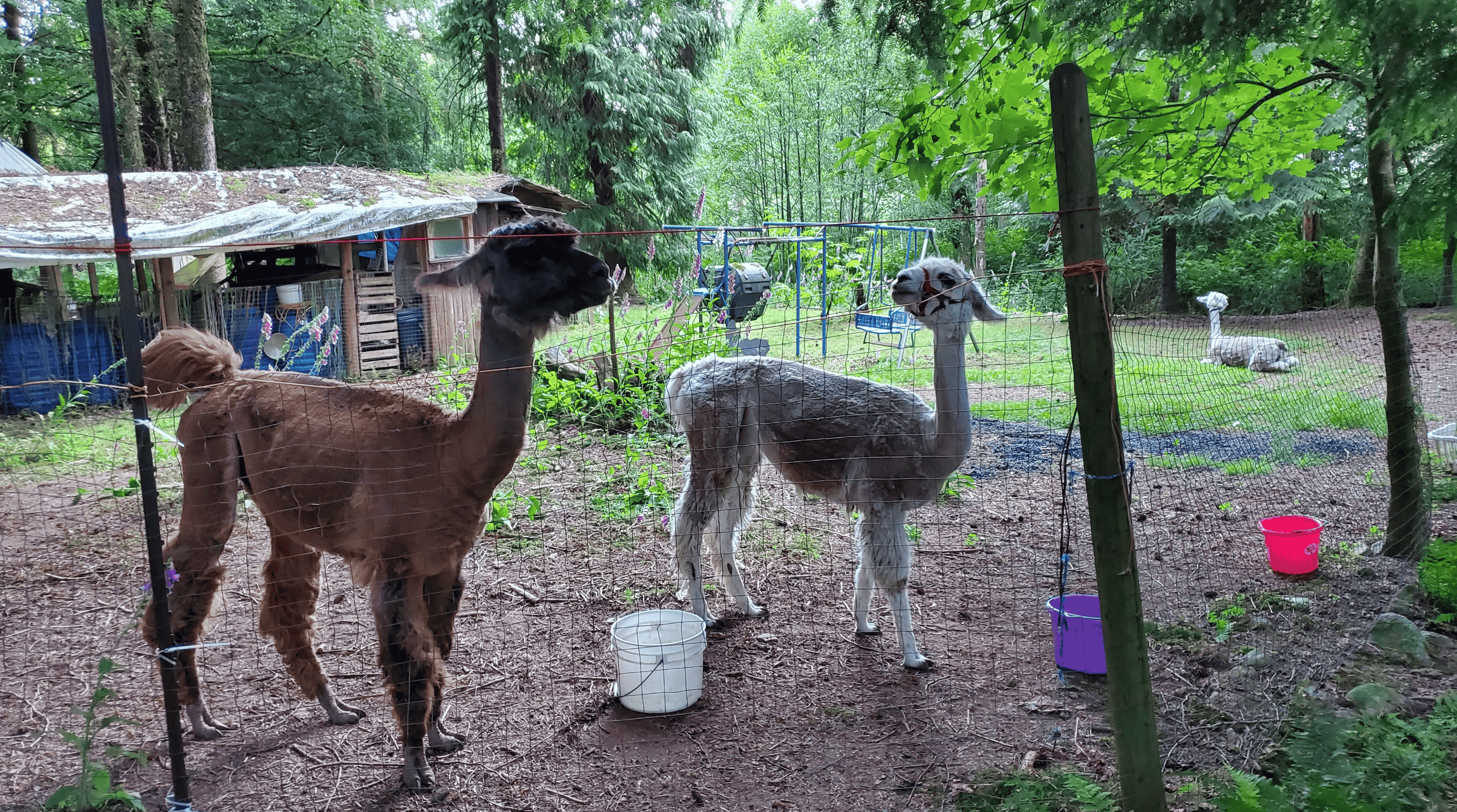
Our fifteen-year-old male llama, Alpaca-chino (or “Al” for short) grew up surrounded by ten goats, “Buddy” the male alpaca, and with sheep and chickens next door.
Years ago, when my husband was hospitalized for nine months, I sold our goats but kept Al and Buddy. Both were besties who alerted our small farming community to predators like black bears.
Al and Buddy remained friends until Buddy was killed by a cougar. Devastated, Al roamed the pastures and often tried to visit the sheep next door. He was lonely and depressed.
What to do? The solution seemed simple. Adopt a female llama and start a new herd. This simple solution took years. Adoptable female llamas were in demand, difficult to locate and when found, expensive to purchase.
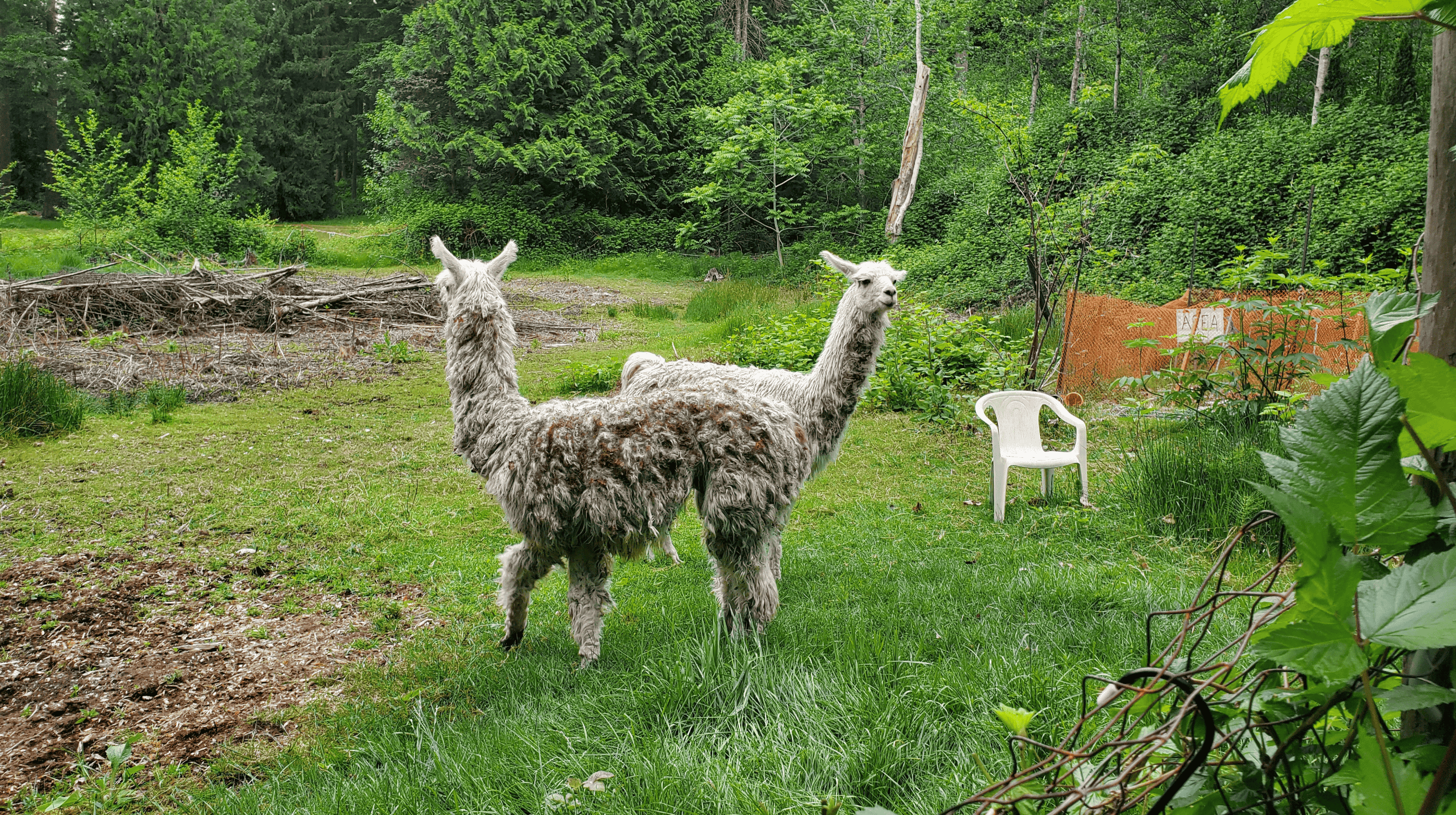
Finally, we found two, healthy, available females. The story goes they lived on an abandoned farm. Their long, matted white-grey coats were caked with dirt and debris. However, we were thrilled at the opportunity to rehome them.
Both were officially adopted and transported to our farm. Al took to one female which we named “Becki.” He ignored the other female, “Jamie.”
Arrangements were made and both llamas were shorn. The reveal resulted in one female and one male, not two females. Thus, “Jamie” was castrated.
Here’s where the story gets interesting.
Al assumed the dominant male role. At first, his bullying seemed harmless. However, when Al charged and injured his humans, the issue became serious.
After some vet discussions, Al was castrated.
Here’s where I need your help. Are you familiar with llama herd dynamics.
Questions:
1. How do we ‘de-bully’ Al? We miss our calm, gentle llama.
2. Will two castrated males and one female llama live peacefully together, or will further segregation (i.e., fencing) be necessary? Anything else?
3. Where do we go from here?
Please share your herd experiences with me by sending email to
info@nancymcneilauthor.com.
Thank you, and cheers, Nancy
Join Nancy's email list and get a free activity booklet that's fun for the whole family!
Thank you for subscribing!
Have a great day!